
Proofline_1.svg
INNOVATION

WatchHand Turns Smartwatches Into AI-Powered Hand-Tracking Devices Without Extra Hardware

7,412 reads 5 comments
WatchHand Turns Smartwatches Into AI-Powered Hand-Tracking Devices Without Extra Hardware

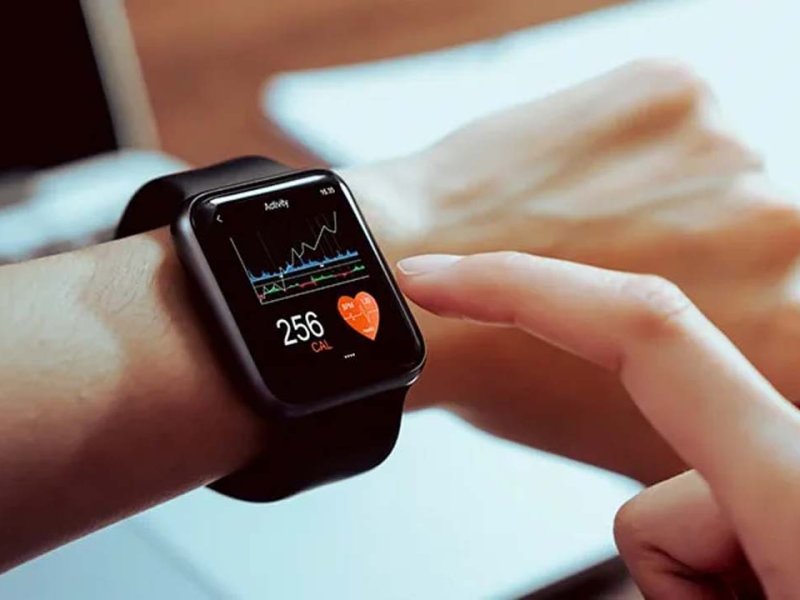
Researchers from Cornell University and KAIST have unveiled WatchHand, an innovative system that transforms ordinary smartwatches into real-time hand-tracking devices using AI-driven sonar. By leveraging built-in speakers and microphones, the technology emits inaudible sound waves that bounce off the user’s hand and return as echo signals. These signals are then processed by on-device machine learning algorithms to reconstruct detailed 3D hand poses, enabling precise tracking of finger and wrist movements without requiring cameras or external sensors.

This approach marks a significant shift in wearable interaction design. Unlike traditional hand-tracking systems that depend on bulky hardware or vision-based inputs, WatchHand works entirely through software, making it scalable across millions of existing devices. The system was tested on 40 participants and demonstrated reliable performance across various smartwatch models, hand positions, and environmental conditions. By eliminating the need for additional hardware, the technology lowers the barrier to entry for advanced gesture-based control.
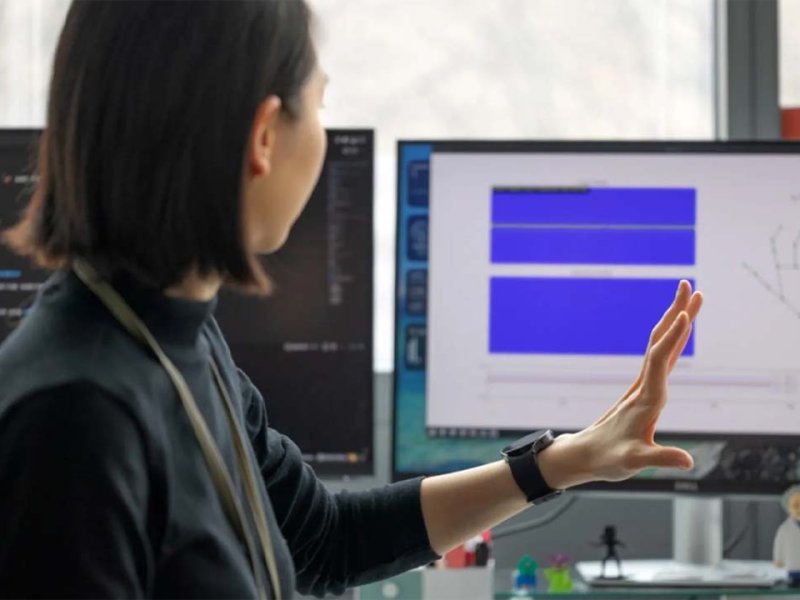
The implications extend far beyond convenience. WatchHand could enable users to interact with computers, augmented reality platforms, and smart environments using only hand gestures. Everyday actions like typing, navigating interfaces, or controlling devices could be performed without keyboards or touchscreens. The system also opens new possibilities for accessibility, offering alternative input methods for individuals with mobility or speech limitations.

Equally important is its focus on privacy and efficiency. All data processing occurs directly on the smartwatch, reducing latency and eliminating the need for cloud-based computation. While current limitations include reduced accuracy during motion and compatibility restricted to Android-based devices, ongoing research aims to refine performance and expand support. As the project heads to presentation at the ACM CHI Conference on Human Factors in Computing Systems, WatchHand highlights how software innovation alone can unlock powerful new capabilities in everyday wearable technology.

Summary

WatchHand demonstrates how AI-powered sonar can turn standard smartwatches into powerful hand-tracking tools, enabling gesture-based interaction without extra hardware. By combining accessibility, privacy, and scalability, the system points toward a future where human hands become seamless input devices for digital environments.

Comments (5)

Faelan

Gesture control without hardware is impressive 👋

Gideon

Privacy-focused processing on device is a big plus 🔒

Hadrian

This could replace keyboards and touchscreens soon 📱

Iskander

Accessibility improvements here are really important ♿

Jareth

Smartwatches becoming full input devices is crazy evolution ⌚

Leave a Comment

Comments are reviewed before publishing.

0/300