
INNOVATION
Scientists Build a Computer Without Electricity Using Springs and Steel
7,217 reads
5 comments

In a surprising twist on modern computing, researchers from St. Olaf College and Syracuse University have developed a mechanical computer that operates without electricity. Instead of relying on silicon chips or batteries, the system uses springs, steel bars, and physical motion to perform basic computing tasks. The breakthrough challenges conventional ideas about how machines process information and opens the door to entirely new forms of computing built on the principles of physics rather than electronics.
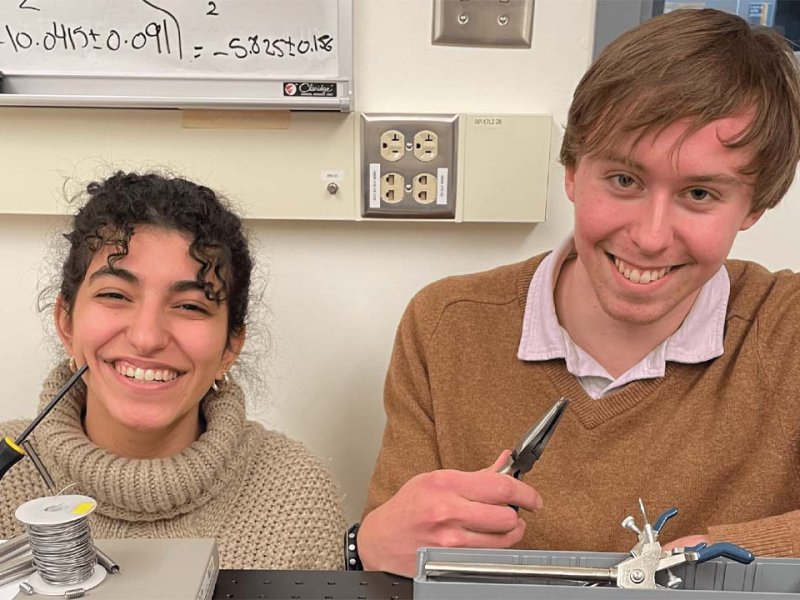
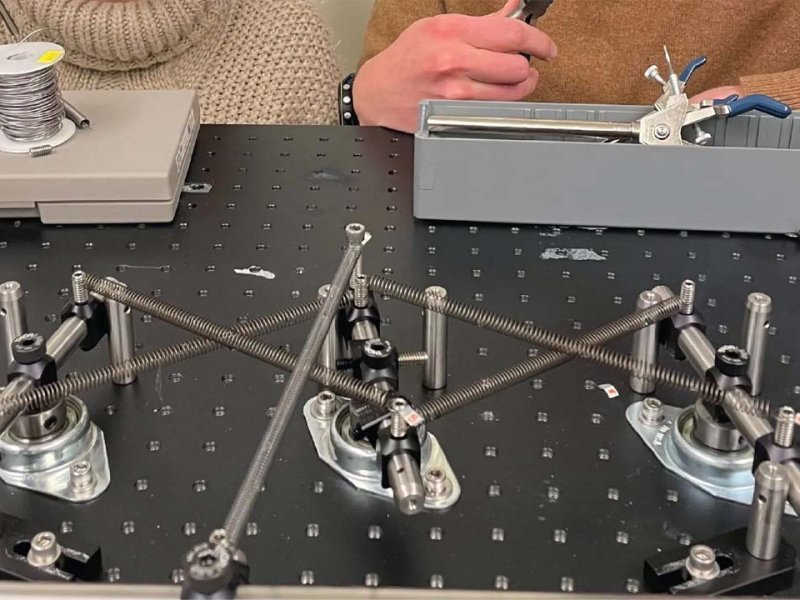
The concept is rooted in “physical memory,” where materials retain information based on how they are stretched, compressed, or moved. Led by physicist Joey Paulsen, the team designed mechanical systems that can count movements, distinguish patterns such as odd and even inputs, and store force-based data. These functions mimic the logic and memory processes of traditional computers, but without requiring power. The result is a self-contained system that computes through motion alone.
While the idea may seem like a step backward in a digital age dominated by microchips, the implications are highly forward-looking. Mechanical computers are inherently more durable than electronic systems, making them suitable for extreme environments where traditional hardware fails. From high-radiation zones to intense heat or corrosive conditions, these systems could operate reliably where standard processors would break down. This durability opens potential applications in aerospace, industrial machinery, and even medical devices.
Looking ahead, researchers aim to scale the technology into more complex systems capable of advanced computations. Ongoing experiments are exploring how multiple mechanical components can interact to form larger networks, potentially leading to “smart materials” that can sense, decide, and respond autonomously. Published in Nature Communications, the study highlights a new frontier in innovation where computation is no longer limited to electronics, but embedded directly into the materials themselves.
Summary
Scientists have created a mechanical computer that uses springs and physical motion instead of electricity to perform basic computations. By leveraging the concept of physical memory, the system can process and store information without chips or batteries. This innovation could enable computing in extreme environments and pave the way for smart materials and durable, energy-free technologies.
Comments (5)
Alaric
Mechanical computing works without electricity ⚙️
Bastien
Physical motion replaces digital processing in new system 🔧
Cassius
Durable computing suits extreme environments 🧱
Darius
Force-based memory introduces new computing concept 📊
Evren
Mechanical systems could work where electronics fail 🚀
Leave a Comment
Comments are reviewed before publishing.