
Proofline_1.svg
INNOVATION

OpenAI’s Stargate Ambitions: Inside the Race to Build America’s AI Supercomputing Backbone

7,619 reads 5 comments
OpenAI’s Stargate Ambitions: Inside the Race to Build America’s AI Supercomputing Backbone

The race to dominate artificial intelligence is no longer just about software and algorithms. It is now a battle for land, power, and infrastructure. When OpenAI hired Keith Heyde away from Meta, it signaled a major shift in priorities. Instead of focusing solely on model development, the company is investing heavily in the physical backbone required to power the next generation of AI systems. Heyde, now leading infrastructure efforts, has spent months scouting potential sites across the United States, evaluating locations that could host massive data centers capable of training advanced large language models.

At the center of this effort is Stargate, OpenAI’s ambitious plan to build a network of AI supercomputing hubs. The company has reviewed hundreds of proposals and narrowed its focus to a shortlist of high-potential sites across key regions. While tax incentives play a role, the most critical factors are access to reliable energy, scalability, and community support. As demand for AI computing surges, infrastructure has become a strategic priority equal to research and product innovation, marking a turning point in how tech companies compete in the AI era.
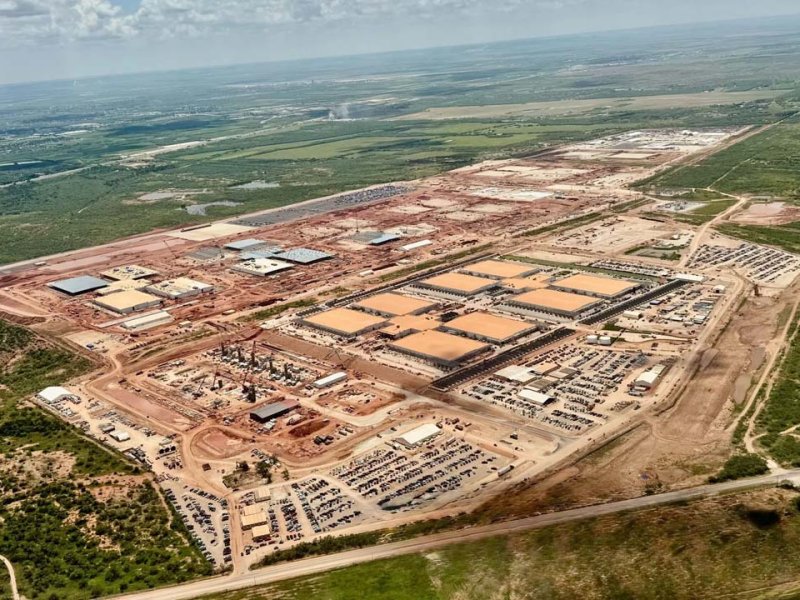
The scale of these projects is staggering. A single gigawatt data center can consume as much electricity as an entire city, underscoring the immense energy demands of modern AI systems. To meet these needs, OpenAI is partnering with industry giants like Oracle, Nvidia, and SoftBank on a planned 17-gigawatt expansion. These facilities will integrate diverse energy solutions, from solar power with battery storage to refurbished gas turbines and even emerging nuclear technologies, creating a flexible and resilient energy ecosystem to sustain continuous AI training operations.

Competition in this space is intensifying rapidly. Tech rivals, including Meta, are investing billions into building their own large-scale data centers, highlighting a broader industry shift toward infrastructure ownership. With traditional data centers nearing capacity, companies are racing to secure the resources needed to scale AI capabilities. The outcome of this infrastructure race could determine which players lead the next phase of artificial intelligence, where compute power becomes as critical as the models themselves.

Summary

OpenAI is accelerating its push to build large-scale AI infrastructure through its Stargate initiative, prioritizing power, scalability, and strategic site selection across the United States. Backed by major partners and billions in investment, the company is competing in a high-stakes race to secure the physical resources needed for future AI development. As demand for computing power surges, control over infrastructure is emerging as a defining factor in the global AI competition.

Comments (5)

Galen

AI competition now depends on infrastructure and power ⚡

Hadrian

Data centers becoming core to AI dominance race 🏗️

Ishaan

OpenAI shifting focus toward physical infrastructure 📡

Jorvik

Energy access is now key factor in AI expansion 🔋

Kael

Stargate project shows scale of future AI systems 🌐

Leave a Comment

Comments are reviewed before publishing.

0/300