
Proofline_1.svg
BUSINESS

How Apple Inc. Reinvented Itself by Turning the iPod Into the iPhone

3,586 reads 4 comments
How Apple Inc. Reinvented Itself by Turning the iPod Into the iPhone

At a pivotal moment in its history, Apple Inc. faced a defining question that would shape the future of consumer technology. As competitors like Motorola and Samsung began integrating music capabilities into mobile phones, Apple realized the dominance of its flagship iPod could soon fade. According to former executive Tony Fadell, the company understood that consumers would eventually rely on a single device for both communication and entertainment. This realization forced Apple to make a bold decision that few companies are willing to consider: replacing its most successful product with something entirely new.

Rather than protecting the iPod’s success, Apple chose to disrupt itself by developing what would become the iPhone. The process was far from straightforward. Early prototypes resembled a hybrid between a phone and an iPod, even incorporating the iconic click wheel. However, engineers quickly discovered that this design limited basic functions such as texting and dialing. The shift to a touchscreen interface required rebuilding nearly every software component from the ground up, creating a new way for users to interact with technology using their fingers instead of physical buttons.
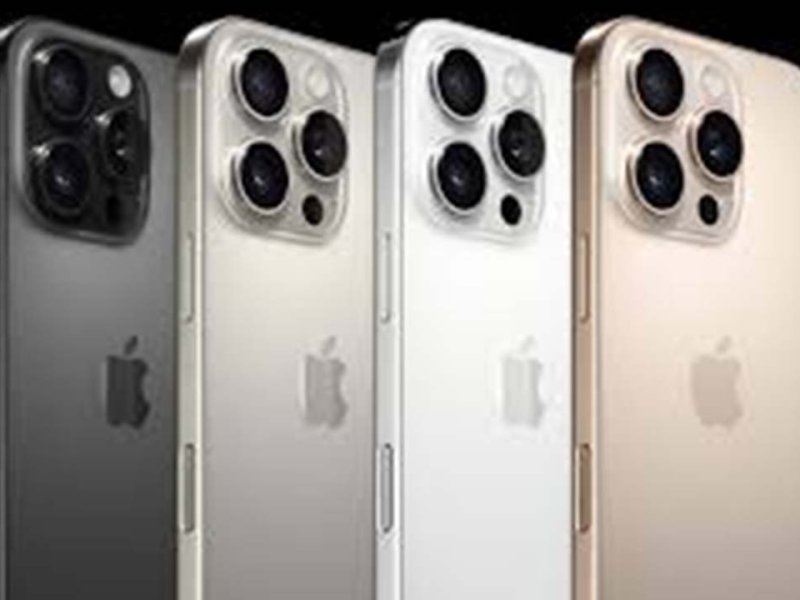
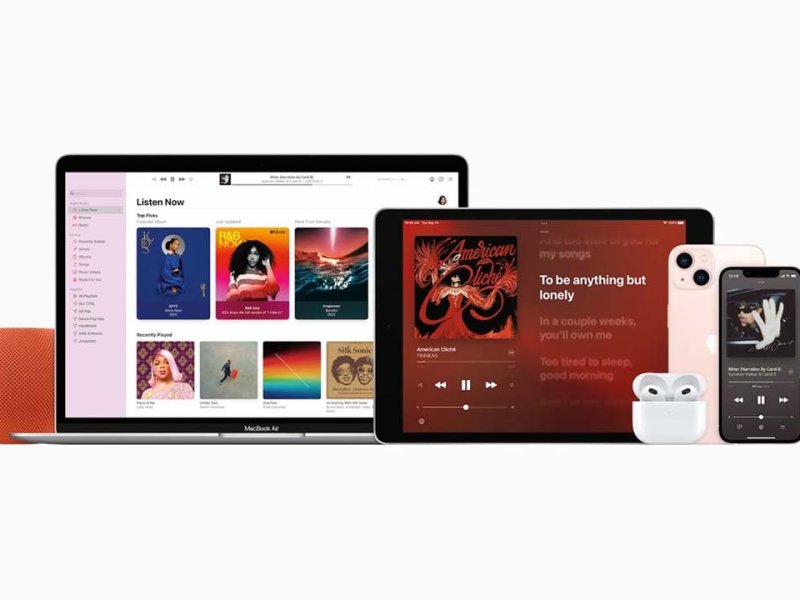
The journey toward the iPhone was marked by intense development cycles and significant technical challenges. Engineers like Rubén Caballero and Andy Grignon worked through long nights and weekends over more than two years to bring the concept to life. At the time, Apple had never attempted a product of such complexity, requiring the integration of advanced hardware, software, and user interface design in ways the company had not previously achieved. Every application had to be redesigned to function within a touch-based ecosystem, making stability and performance ongoing challenges during development.

The iPhone’s creation also reflected a broader transformation within Apple itself. The success of the iPod had already pushed the company beyond its traditional focus on computers, signaling a shift into portable consumer electronics. This transition required building new supply chains, forming partnerships with unfamiliar manufacturers, and assembling specialized teams capable of delivering cutting-edge innovation. What began as an effort to protect Apple’s future ultimately reshaped the entire technology industry and set a new standard for mobile devices.

Summary

Apple Inc. made one of the most consequential decisions in tech history by choosing to evolve beyond the iPod and create the iPhone. Through risk-taking, innovation, and a willingness to disrupt its own success, the company redefined how people communicate, consume media, and interact with technology.

Comments (4)

Ethan Walker

Apple’s decision to replace the iPod with the iPhone shows how important it is for companies to innovate, even if it means disrupting their own success.

Aiko Tanaka

The shift from physical buttons to a touchscreen was a huge risk at the time, but it completely changed how people interact with smartphones today.

Liam O’Connor

It’s impressive how Apple rebuilt everything from scratch just to make the iPhone work. That level of commitment to design really paid off in the long run.

Sofia Alvarez

The development process sounds incredibly intense. It shows that groundbreaking products often come from years of hard work and constant problem-solving.

Leave a Comment

Comments are reviewed before publishing.

0/300