
Proofline_1.svg
BUSINESS

Evergrande Founder Pleads Guilty: Landmark Case Deepens China Property Crisis

8,862 reads 5 comments
Evergrande Founder Pleads Guilty: Landmark Case Deepens China Property Crisis

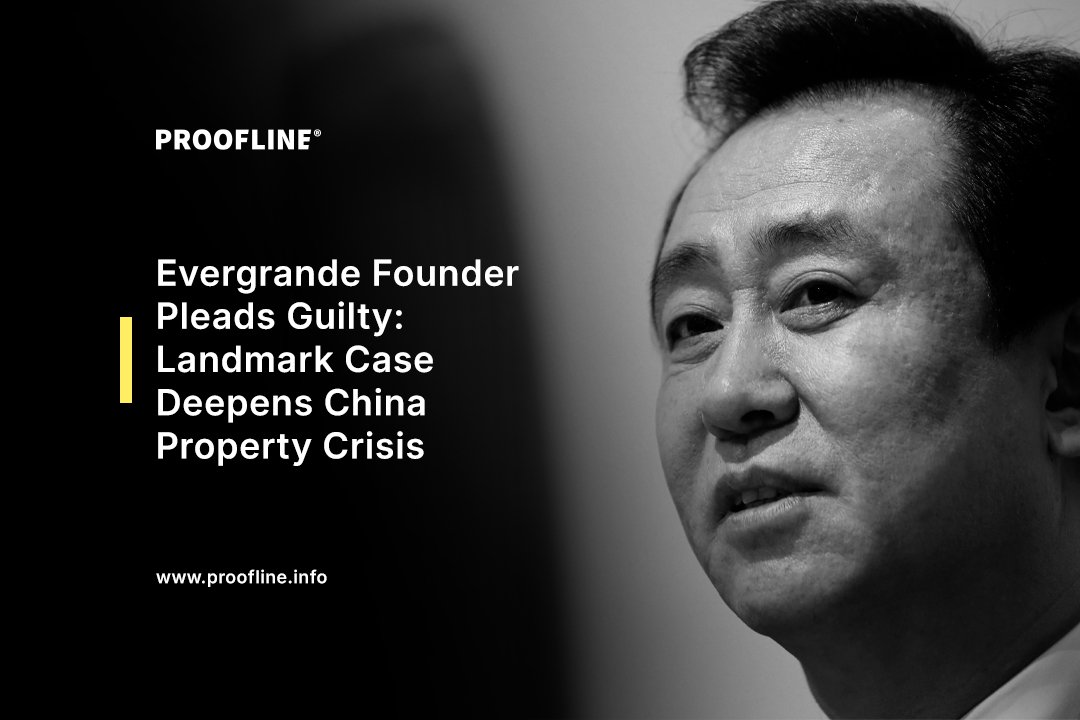
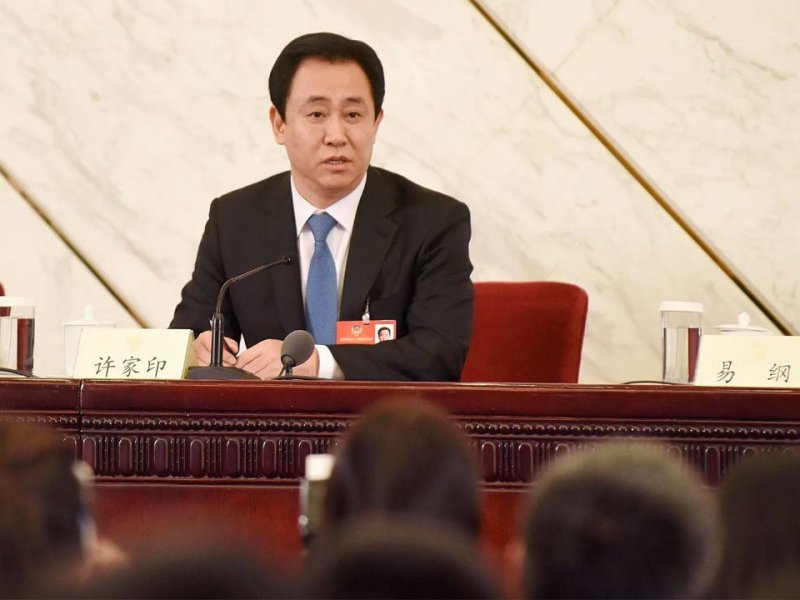
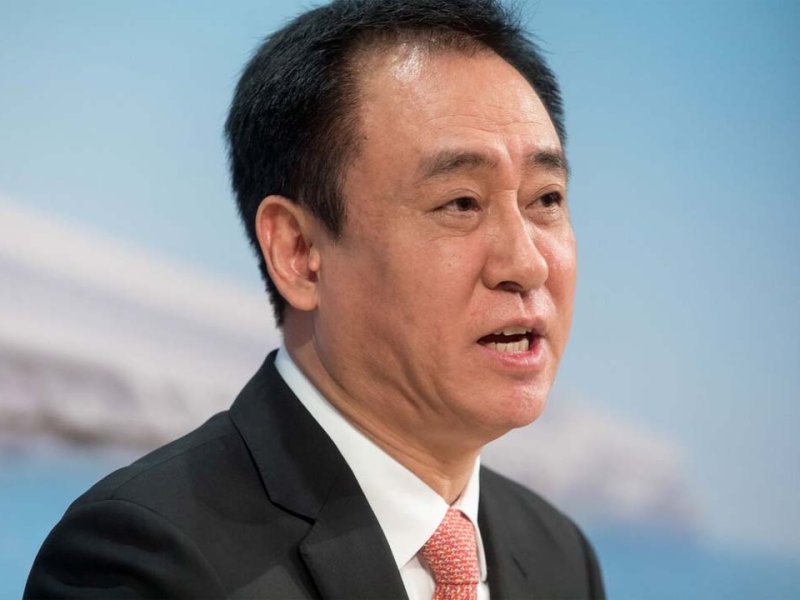
The downfall of Evergrande has reached a critical turning point as its founder Hui Ka Yan, also known as Xu Jiayin, pleaded guilty to multiple charges including embezzlement and corporate bribery. During a public hearing in Shenzhen, Hui expressed remorse, according to state media, as the court reviews one of the most high-profile corporate cases in modern China. A final verdict is expected at a later date, but the admission of guilt marks a significant moment in a crisis that has shaken investor confidence and destabilized the country’s real estate sector.

Once a symbol of China’s rapid economic ascent, Evergrande grew into the world’s most indebted property developer, fueled by aggressive borrowing and expansion. At its peak, the company was valued at more than $50 billion and managed around 1,300 projects across hundreds of cities. However, the court revealed that billions in pre-sale funds from homebuyers were diverted away from construction, leaving behind a trail of unfinished properties and eroding trust in the housing market.
The collapse of Evergrande in 2021 is widely seen as a catalyst for China’s ongoing property market downturn. Government efforts to curb excessive borrowing through stricter regulations exposed the company’s fragile financial structure, forcing it to slash prices and scramble for liquidity. The crisis has since rippled across the broader economy, impacting banks, investors, and millions of homebuyers whose properties remain incomplete, raising concerns about long-term economic stability in China.

Hui’s personal trajectory mirrors the dramatic rise and fall of his empire. From modest beginnings in rural China, he built a vast business network that extended beyond real estate into electric vehicles, consumer goods, and even professional football. At one point, he was ranked among Asia’s richest individuals with a fortune exceeding $40 billion. Yet regulatory scrutiny intensified as Evergrande’s financial practices came under question, culminating in fines, a lifetime ban from capital markets, and now criminal proceedings that could redefine corporate accountability in China.

Summary

Hui Ka Yan’s guilty plea marks a pivotal moment in the Evergrande crisis, highlighting the risks of debt-driven growth and regulatory lapses. The case underscores the broader challenges facing China’s property sector, with lasting implications for economic stability, investor confidence, and corporate governance.

Comments (5)

Quentin

Evergrande collapse shakes property market 🏢

Rafael

Founder admits guilt in fraud case ⚖️

Soren

Billions diverted from housing projects 🏚️

Talon

China real estate sector faces uncertainty 📉

Ulric

Investor confidence weakened globally 🌍

Leave a Comment

Comments are reviewed before publishing.

0/300