Proofline_1.svg
TECH

Amazon Introduces Fuel Surcharge as Oil Prices Surge Amid Ongoing Iran Conflict

3,756 reads 4 comments
Amazon Introduces Fuel Surcharge as Oil Prices Surge Amid Ongoing Iran Conflict

E-commerce giant Amazon is set to implement a 3.5 percent fuel and logistics surcharge on third-party sellers using its fulfillment services, reflecting mounting operational pressures caused by rising global oil prices. The move, scheduled to take effect on April 17, comes as geopolitical tensions linked to the Iran war continue to disrupt energy markets and increase shipping costs worldwide. According to the company, the additional fee will help offset elevated transportation and logistics expenses that have intensified across the industry.

The surcharge will apply to sellers in the United States and Canada who rely on Fulfillment by Amazon, a service that manages storage, packaging, and delivery. While Amazon emphasized that it had absorbed cost increases in recent weeks, it noted that prolonged instability in fuel markets has made temporary adjustments unavoidable. The company also stated that its surcharge remains lower compared to similar fees imposed by major logistics competitors, positioning the change as a measured response rather than a drastic price hike.

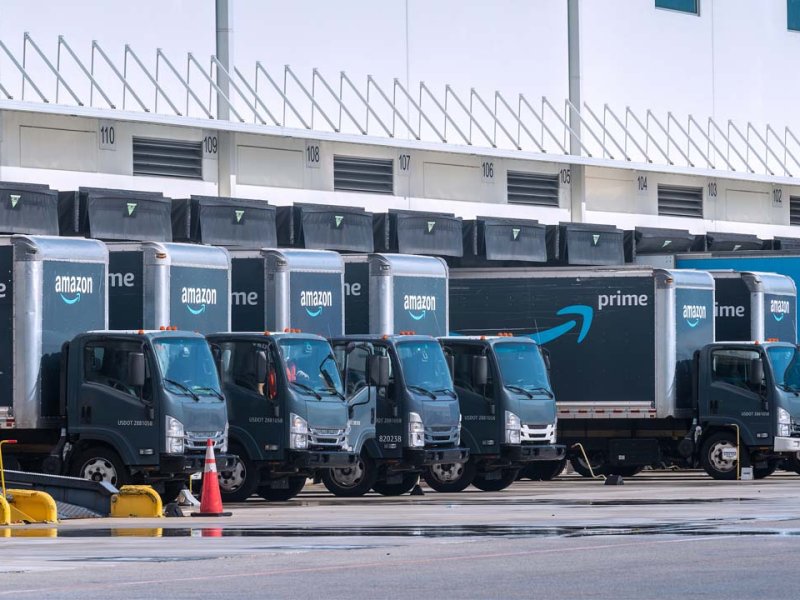
The decision underscores how global supply chains remain highly sensitive to energy price fluctuations, particularly as crude oil shipments through key routes like the Strait of Hormuz face uncertainty. Recent spikes in Brent crude prices, which climbed above $100 per barrel, have forced logistics providers to reassess their pricing structures. Major carriers such as UPS and FedEx have already introduced or increased fuel surcharges, signaling a broader industry trend.

Beyond private carriers, even government-backed services like the United States Postal Service have announced similar measures, highlighting the widespread impact of fuel volatility. Analysts note that these added costs could ripple through the retail ecosystem, potentially affecting product pricing, seller margins, and ultimately consumer spending behavior if elevated fuel prices persist.

Summary

Amazon’s introduction of a fuel surcharge reflects the growing strain on global logistics caused by rising oil prices and geopolitical instability. As energy costs climb, companies across the shipping and e-commerce sectors are adjusting pricing strategies to maintain operations. While the surcharge is relatively modest, it signals broader economic pressures that could influence sellers, supply chains, and consumers in the months ahead.

Comments (4)

Mateo

Fuel costs hitting everything sellers will feel this 😬

Soraya

Another fee added 💸 tough time for small businesses 💸

Pavel

Makes sense due to oil prices, but still hurts 📦

Chiara

Logistics getting expensive fast 🚚🔥 global impact

Leave a Comment

Comments are reviewed before publishing.

0/300